India-US Trade Deal Almost Done, But The Signature Will Have To Wait
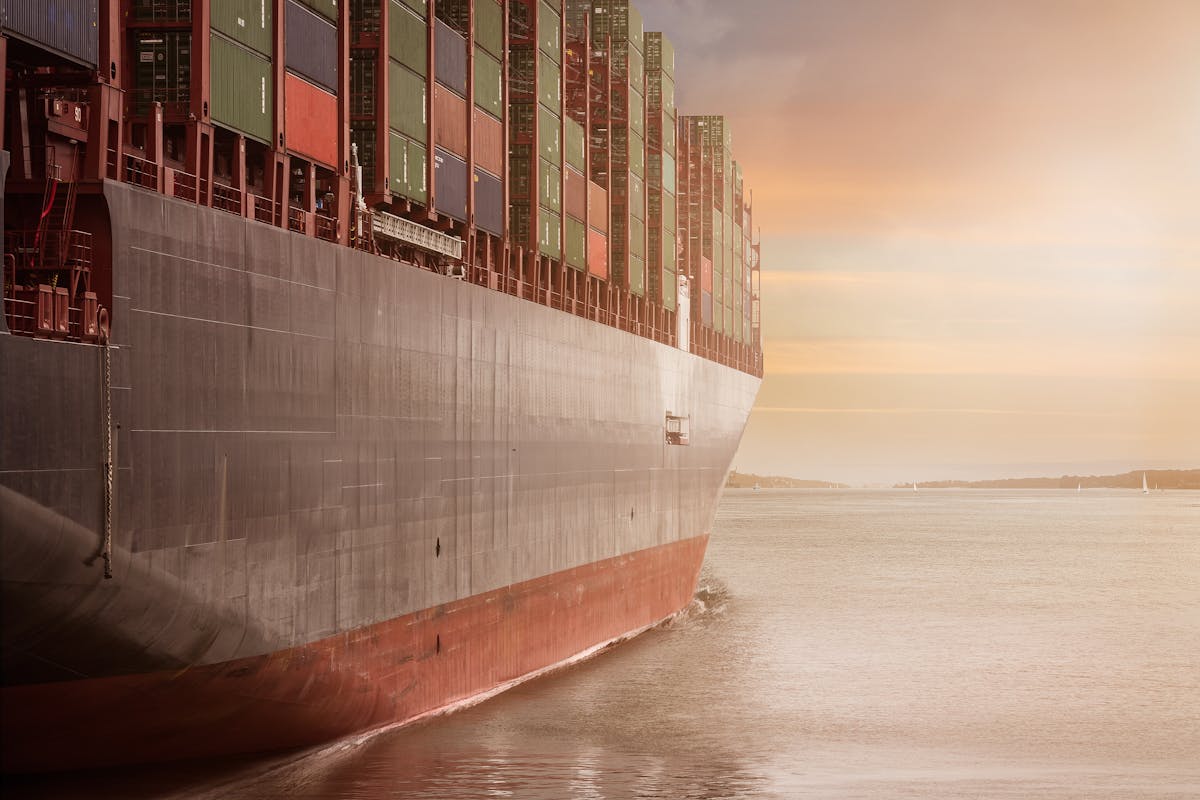
India and the United States are inches away from finishing negotiations on their long-awaited interim trade agreement, but the deal will not be signed just yet. Commerce Secretary Rajesh Agrawal said on Wednesday that while almost every aspect of the pact has been finalised, the signing must wait until Washington puts its new tariff framework in place.
Negotiations Nearly Complete
“Every aspect of the deal has been more or less finalised, and we will be concluding the negotiations soon,” Agrawal said at the curtain-raiser of the FICCI Annual General Meeting in New Delhi. He added that the legal text is already in its final stages.
The two countries announced a framework for the interim pact in February this year. Under it, Washington had agreed to an 18 per cent reciprocal tariff on covered Indian goods, including textiles, apparel and footwear — sectors employing millions in India.
Commerce Minister Piyush Goyal said a few days ago that the US has acknowledged India will receive lower tariffs than its competitors.
Why The Signature Must Wait
The problem is not the negotiation — it is the legal ground on which the deal was built. The February framework was announced against the backdrop of executive tariffs imposed by US President Donald Trump. At the time, the tariff on India stood at 50 per cent.
Later that month, the US Supreme Court struck down the legal foundation of those tariffs, ruling that the emergency powers law used to impose them did not authorise such duties. That verdict made the 18 per cent offer effectively irrelevant.
“Now a new tariff architecture is being created by the US,” Agrawal explained. “Till that tariff architecture is in place, the countries won’t be able to sign the deal per se.” Until Washington rebuilds its tariff system, there is simply nothing firm to sign.
Section 301 Probes Add To The Uncertainty
A second layer of uncertainty comes from ongoing American trade investigations. Under Section 301 of the US Trade Act of 1974, Washington has launched probes into its trading partners, and their findings could bring fresh tariffs.
One investigation, looking into forced labour, has already been completed, and a tariff of 10 per cent has been levied on imports from India. A second investigation, examining excess capacity, is still under way and could come with further tariffs. Agrawal said the findings are expected over the coming weeks and months, making it hard to close the agreement while tariff implications remain unclear.
What It Means For Indian Exporters
For Indian exporters, the message is mixed. The negotiations are essentially done, and the political will on both sides appears intact. But the relief they have been waiting for remains stuck behind Washington’s internal process.
These industries are watching closely, since they compete directly with exporters from other countries. If India does secure lower tariffs than its rivals, it could be a significant advantage. If the delay drags on, however, exporters will have to keep absorbing uncertainty in one of their largest markets.
Conclusion
The finish line is in sight, but the pen stays capped until Washington rebuilds its tariff architecture and its trade investigations run their course. The deal is now a matter of legal plumbing rather than diplomacy — and that plumbing will take time. For Indian businesses, the next few weeks will decide how much of the promised relief actually arrives, and when.
Do you think the India-US trade deal will finally be signed before the year ends, or will tariff uncertainty drag it into 2027? Share your view in the comments.


Comments
Post a Comment