India to Get Lower US Tariffs Than Rival Nations, Says Piyush Goyal
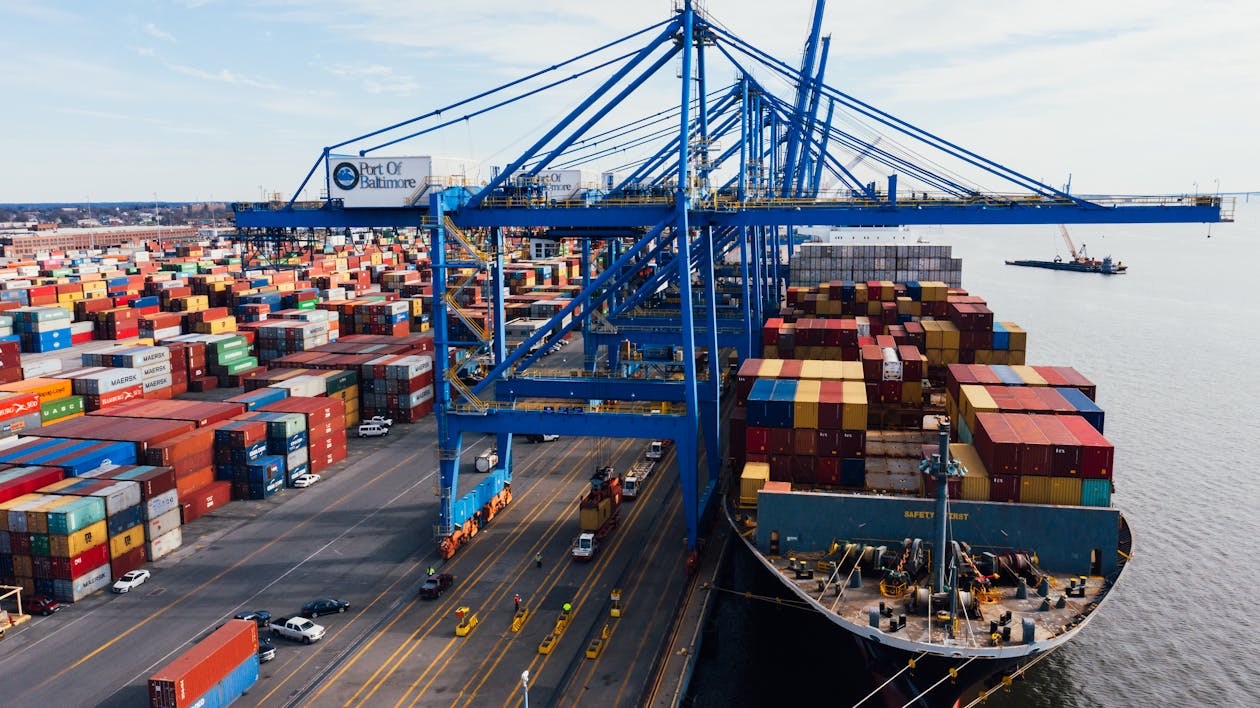
A cargo ship unloads containers at a busy port. (Photo: Kelly / Pexels)
Indian exporters may soon get a sharper edge in the world's biggest market. Commerce and Industry Minister Piyush Goyal said on Sunday that the United States has agreed to give Indian goods preferential market access, with lower duties than those imposed on competing countries.
Speaking to reporters during a two-day visit to Egypt, Goyal said the understanding was already reached at the leadership level, when Prime Minister Narendra Modi and US President Donald Trump announced a broad framework agreement a few months ago. The message is clear: when the trade deal lands, Indian products should enter America cheaper than those of its rivals.
What Goyal Announced
"This was already agreed between the leaders — President Trump and Prime Minister Narendra Modi — when they announced that we have both come to a broad framework agreement a few months ago, and it has been acknowledged that India will get preferential trade access in the US with lower duties than our competitor countries," Goyal said.
The assurance matters because Indian exporters compete most directly with suppliers in Vietnam, Bangladesh and China for American orders. Reports suggest Vietnam currently faces a duty of around 12.5 per cent on its shipments to the US, while Bangladesh faces about 10 per cent. India's exact rate will only be known once the final tariff framework is agreed.
A Deal Nearly Two Years in the Making
The trade talks began in February 2025, when PM Modi and President Trump agreed to work towards a bilateral trade agreement. The two sides finalised the framework for the first phase of the pact in February 2026, and under it the US had agreed to apply an 18 per cent reciprocal tariff rate on goods originating from India.
The signing of the first tranche, however, has been delayed by changes in the American tariff landscape. In February this year, the US Supreme Court ruled that the International Emergency Economic Powers Act did not authorise the president to impose the reciprocal tariffs that had formed the basis of the negotiations. Washington is now rebuilding its tariff architecture through alternative provisions under the Trade Act, and a second investigation by the US Trade Representative is still awaited.
What India Offered in Return
The framework is not one-sided. India agreed to eliminate or reduce tariffs on US industrial goods and a range of American food and agricultural products, including tree nuts, fruit, soybean oil, wine and spirits. A two-member US delegation visited India on November 2 and 3 to work through customs procedures and ways to reduce friction at the border.
The first tranche will not cover services, which have been deferred to a second phase of the broader agreement.
What Happens Next
Both sides are now working to conclude the first tranche by the end of the current financial year, March 31, 2027. Goyal was careful to add a note of caution: "We will have to see how the tariff framework unfolds." Until the tranche is signed and the tariff schedule is published, the size of India's advantage remains an estimate rather than a number companies can build contracts around.
For India's exporters — from textiles and gems to engineering goods and farm produce — even a small tariff edge over Vietnam or Bangladesh can decide who wins the next big American order.
Do you think lower US tariffs will help Indian exporters beat rivals like Vietnam and Bangladesh? Share your view in the comments.


Comments
Post a Comment